Native Advertising
The core principle of Native Advertising is to integrate your message into the surrounding content that your target audience is already engaging with, rather than disrupting their experience with your messaging. Native Advertising is executed in such a way that it blends in with the visual style, form, and function of the platform in which it is displayed (e.g., website/blog). This characteristic is what makes Native Advertisements feel less disruptive and more natural to consumers.
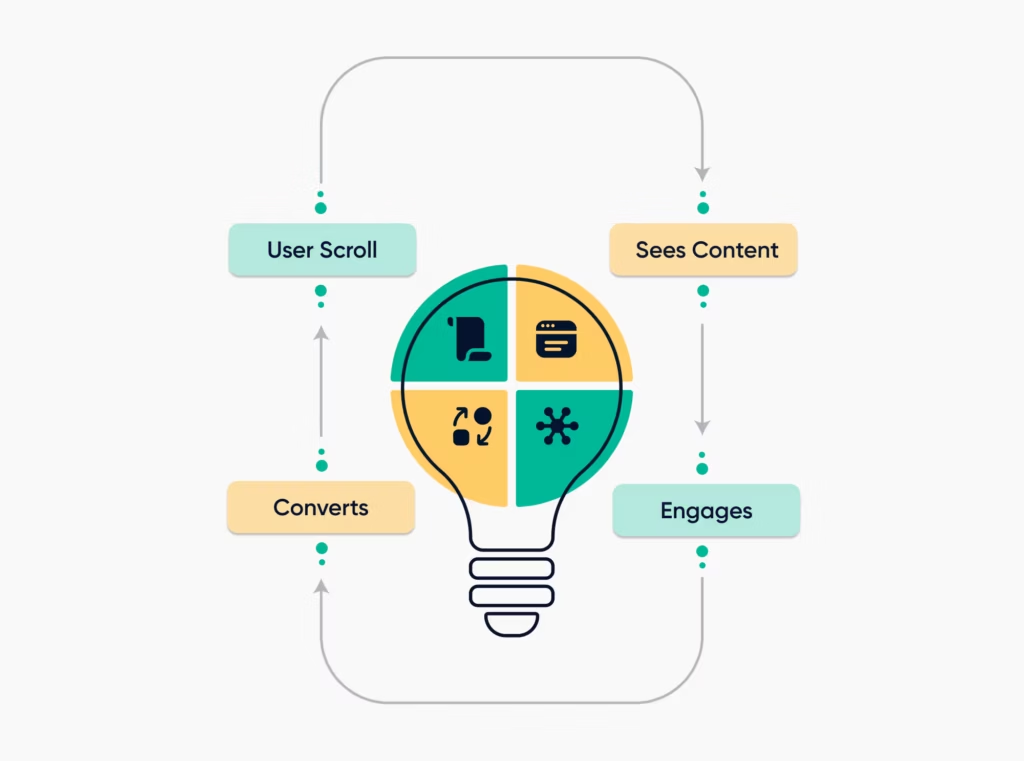
This is particularly important in today’s fast-paced mobile environment. As users are continuously scrolling through, skimming, and filtering out anything that looks like an “ad”, it is more relevant than ever to use (Native Advertisement). According to research, consumers engage with (Native Ad) content 53% more than with (Display Ads). This demonstrates that when content has been seamlessly integrated into the surrounding content, it has a greater likelihood of capturing a consumer’s attention. Additionally, rather than competing for attention, active Advertising is leveraging the behavior of the consumer in order to achieve lower ad fatigue, greater engagement, and long-term trust.
What is Native Advertising?
Native advertising specifically can also be defined within paid media as a style of advertising or promotional campaign to showcase a product/service, where the design of your ads will resemble the platform on which they’re displayed.
For example, rather than being noticeable as attempts to sell a product or service, native advertisements appear as if they were part of the normal user experience. The overall user experience remains uninterrupted by native ads, in contrast to traditional forms of advertising (like pop-ups) that disrupt the user’s path through the site.
Unlike most traditional advertisements that require attention to be given to them, native advertisements earn attention through harmonious integration with the host platform’s design and the user’s expectations. The less intrusive nature of native advertisements makes them generally more engaging and much better at engaging the user.
The use of Native Advertising occurs frequently in three different ways:
- In-feed advertisements are advertisements positioned within the social networks or feeds of other people.
- Sponsored articles or videos are adverts created in tandem with other publishers.
- Recommendation widgets are “you can also like this” sections located on various websites across the internet.
All of these formats are constructed in a way that makes them look and feel like a piece of content initially, with advertising being secondary to the product itself, which is why, in today’s environment,t driven primarily by content, Native Advertising works better than other methods.
The Importance of Native Advertising in Today’s Marketing World
We probably have all stared blankly at an advertisement we have seen about one hundred times and not given it a single thought. Native advertising is a much more intelligent and relevant advertising method in the sense that it better fits the user experience.
The average consumer is now experiencing “ad fatigue” due to the constant bombardment of repetitive and intrusive advertising formats that have resulted in “banner blindness.” This means that today, most people will subconsciously ignore any ad that is presented to them in an advertising format, especially if that ad is being shown to them on a mobile device, where users tend to consume content quickly and in a scroll-like manner. Because of this, many of the disruptive advertising formats are struggling to achieve any reasonable performance.
According to a study conducted by Sharethrough in collaboration with IPG Media Lab, native advertisements result in a greater increase of purchasing intent (18% increase over non-native advertisements), as they provide consumers with a sense that they are part of the normal flow of their experience rather than interrupting their experience.
Main Benefits of Native Advertising
More engaging
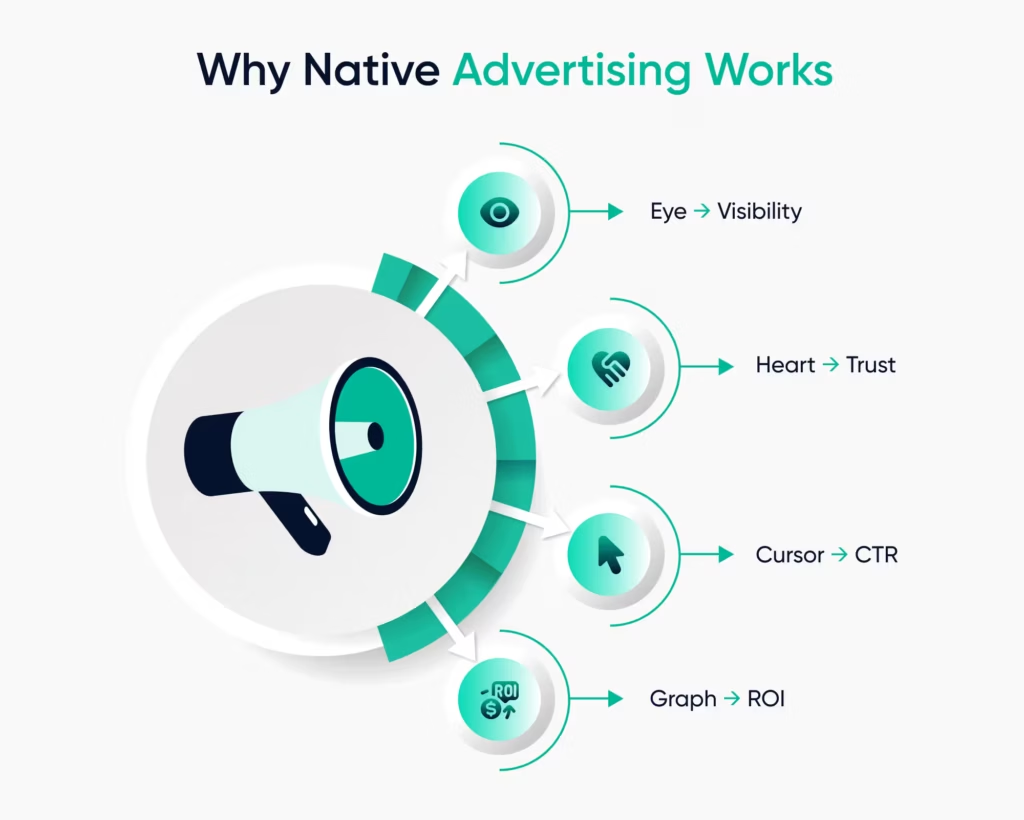
- Native Ads are designed to blend in with the site they are shown on, so users will be able to see and engage with them more often than usual. They do not come across as an advertisement; rather, they come across as content that people should check out.
More trustworthy
- When the writing and imagery of your Ad align with the voice and visuals of the Media, you’re building trust with users. Users have greater trust in items that feel more natural instead of forced or highly promoted.
Better CTR and Greater Conversions
- Higher visibility and engagement yield better results. In addition to that, Native Advertising usually experiences better CTR and greater conversion rates.
Less interruptive
- The greatest thing about Native Advertising is that they honor the user’s journey. Rather than interrupting, Native Advertising entertains so that the user has a seamless and enjoyable online experience.
Native Advertising Types
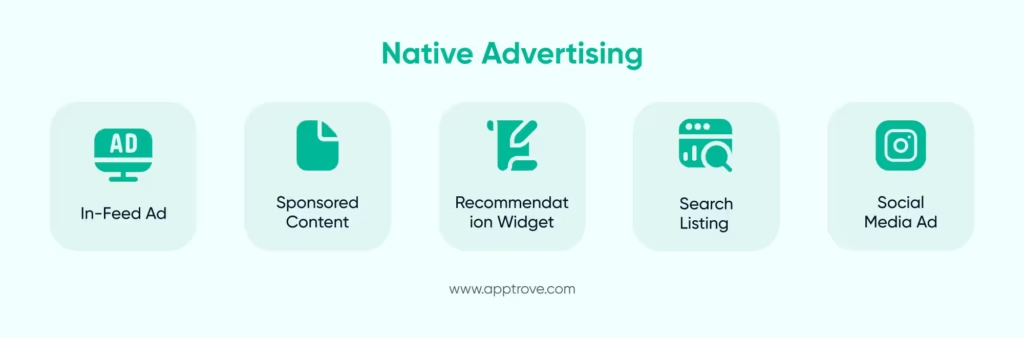
Native Advertising is not simply a ‘one-size-fits-all’ solution to consumers; rather, it is intended to fit different environments and user actions. Depending on where your customer spends time, there may be several different types of Native Ads, each with a different purpose to create a natural feeling in its environment.
In-Feed Native Ads
These Ads are located within the body’s Content Feeds and are therefore part of the user’s timeline on social media, or their content feed on a Content Provider’s platform. The design and layout of these Ads closely match other Posts in both form and function, so users can easily engage while scrolling.
Sponsored Content
The Sponsored Content format consists of branded content programmes such as articles, videos, or Editorial-style pieces found on Media Providers’ platforms (Websites). Sponsored Content is intended to inform, educate, or entertain users about a product or service, while still exhibiting a subtle promotional message (i.e., promote your brand).
Suggested (Additional) Content
At the conclusion of an article, you will typically find these types of sections labeled,d such as Suggested/Recommended for You, and may include links to additional articles or products that appeal to the reader based on the content of the previous article.
Search Result Ads And Paid Listings
Search Result Ads, or Native Advertising, can be displayed in either the (Paid) 1st position of a Search Engine result or in the (Paid) Category Listing section of an e-commerce-based Marketplace or Store. These ads will appear as legitimate search results rather than as an advertisement, thereby not interfering with the user’s search experience.
Social Media Native Advertising
These types of advertisements are designed for a specific social media platform, such as Facebook, Instagram, or LinkedIn, and will seamlessly blend into a user’s feed as sponsored posts/stories/reels, matching the advertising style of their respective platform.
Two Types of Advertising: Native Vs. Traditional
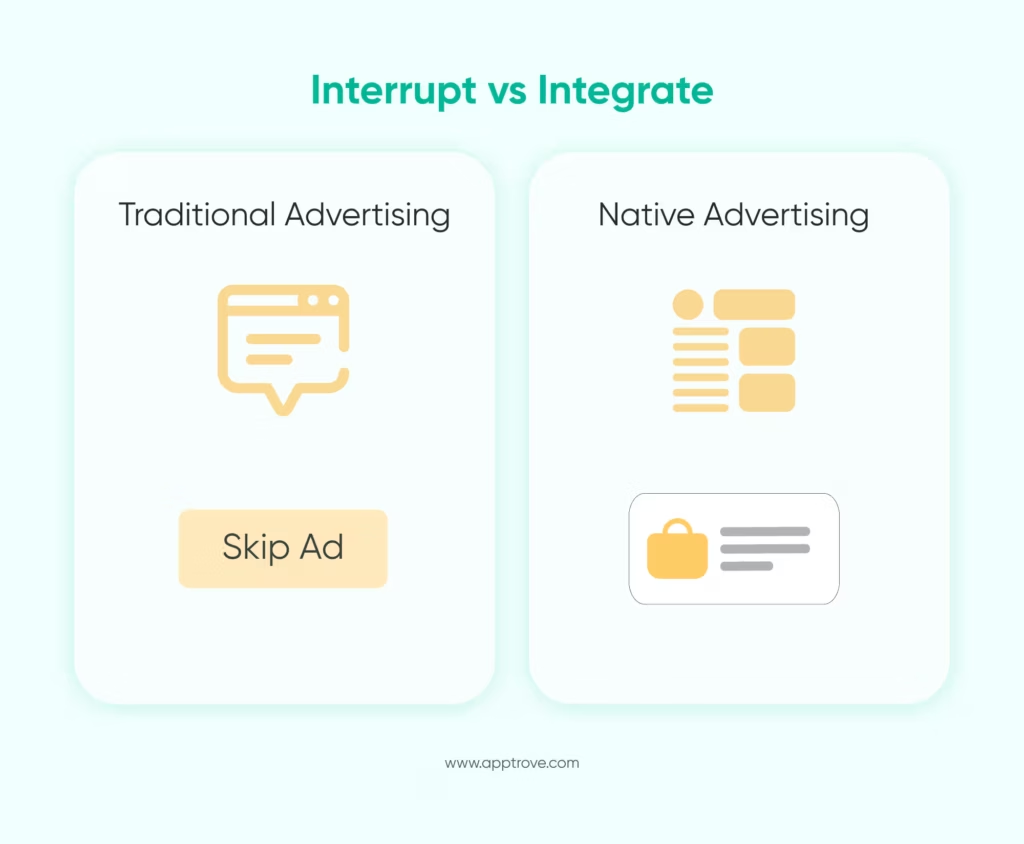
The main distinction between Native Advertising and traditional types of advertising lies in the way your reader perceives the advertisement. Traditional ads focus on attracting attention — typically through interruption. Native Advertising is intended to be integrated into existing content.
On the other hand, rather than pushing advertisements to scrolling users, Native Ads create a seamless transition between the platform’s original content and user behaviour. As a consequence, users perceive these types of ads as a natural extension of the other content they are currently viewing and engaging with. This slight variation in approach results in a significant change in user behaviour, given that people are constantly scrolling past advertisements that catch their attention.
Major Differences
Here’s an easy way to remember:
Non-Intrusive vs Intrusive
- Normal ads interrupt your experience (pop-up ads, banner ads), while native ads are integrated into your experience through seamless integration with existing content.
Banner Ads vs Content In-Focus
- Normal ad formats will exist outside of the content on your site. Native ads will exist in the same area as the content, using similar formatting, tone, and design.
Ignored vs Engaged
- Most users instinctively skip over normal ads as they are removed from your relevant content. Native ads provide the required context and thus encourage user interaction.
Native Advertising Explained
In principle, Native Advertising works by delivering your message in alignment with both the platform and the individual user that will see it, so that the user feels they have a natural fit (i.e., it is not interrupting them). Instead of forcing an advertisement on someone, you are putting your content within the context of what is already there.
How this process works:
Step 1 – Identify Your Audience
Before launching any native ad campaign, be sure to identify which audiences you want to target through your native ad(s). This can be done by targeting based on either users’ demographic data, behavior, or intent signals. Advanced strategies like geofencing can also help brands reach users based on real-world locations, making Native Advertising even more contextually relevant.
Step 2 – Content Alignment
After you know who it is that you want to target with your native ad(s), you then need to create the content that is consistent with the tone, style, and expectations of the platform being used. For example, if you are running native ads on a social media platform, you would create an advertisement that looks more like an organic post, rather than a typical advertisement where you promote your business.
Step 3 – Native Ad Platforms
To find the right home for your Native Advertising, you’ll place it into spaces where consumers are already engaging – like social feeds, publisher websites, or search results. The idea is ultimately about how well the ad integrates within the user’s journey.
Step 4 – Tracking Engagement Performance
After your Native Ads have been placed, you’ll measure their performance by various metrics such as click-through rate, time spent on the site, how far down a page the ad scrolls, and conversions. This data will help you identify which types of ads work best and, therefore, be able to use that to create future Native Ads more effectively.
Real-World Examples of Native Advertising
Most people will only really grasp the concept of Native Advertising through experiencing it. The following Native Advertising Examples demonstrate different ways in which brands use Native Ads in people’s natural online environments without any interruption to their normal experience.
Sponsored Articles on News Sites
- You are reading an article on a popular online news outlet, and then you see a well-written article that is labeled as ‘sponsored’, but when you read the article, it fits in perfectly with the tone of the other articles, it has value, and it subtly introduces a brand’s message. This is native done well.
Recommended Posts on Instagram
- You are scrolling through your Instagram feed,d and because the recommended posts look exactly like the non-recommended posts, you are engaging with them as if they were regular posts. This is a good example of how Native Advertising can be used to create high-quality content that is integrated into social media within people’s normal behaviour.
E-commerce Platform Suggestion
- Have you ever seen “Recommended for You” products when you shop online? These are often sponsored products that are matched to your previous browsing behaviour, which makes them timely, relevant, and likely to convert.
App-Based Sponsored Presence
- Another form of integrated advertising is within mobile applications such as News, Gaming, and Content Applications, where advertisements are located between Content Cards or Levels. These ads will be target-matched to the application’s design, making it easy for users to engage without interruptions.
Tips for Successful Native Advertising
Creating Native Advertising that works requires more than simply placing an ad somewhere. You should also aim to find the right harmony between your content, context, and clarity. Successful Native Ads will not only blend in to their environment, but they’ll also outperform ads that don’t consider the user’s experience.
To ensure you’ve found this sweet spot, follow these guidelines:
Do’s
Mirror your platform’s tone.
- Every platform communicates using its unique vernacular. As such, your Native Ads should also adopt the same casualness when on social media and the informative tone of the publisher’s site where they are placed.
Avoid direct selling; instead, tell a story.
- By avoiding direct sales and creating an engaging story, you add value to your audience. The end result is increased engagement and memorability.
Use clear disclosure language.
- Always have clear disclosures indicating that your content is “Sponsored” or “Promoted.” Using transparent disclosures will help build trust and keep your Native Advertising ethical and compliant.
Don’ts
Do not deceive your users.
- Blending in does not mean that you should attempt to trick your audience. Misleading users with your content will break down trust and result in a damaged brand image.
Do not advertise too much.h
- Users will easily scroll past content that they feel is too promotional. Concentrate on providing value to users first, and promote your ads secondarily.
Do not neglect user experience.
- If your Native Ads are poorly designed or if they do not make sense, this will negatively affect how your users interact with the advertisement. Your Native Ads need to feel seamless, relevant, and simple for your users to interact with.
Problems Associated with Native Advertising
Although Native Advertising makes for a much more integrated experience, it’s also come with its share of complications. The effectiveness of Native Ads will be affected by two major points of complexity.
Lack of Transparency
- The use of Native Ads creates a blurred line between seamless and deceptive. If an ad is not clearly marked as such, users may feel deceived by the ad, which could lead to a lack of trust and impact the risk of non-compliance with the ad.
Measuring Effectiveness
- Performance measurement is less black and white for Native Ads than traditional ads. Metrics such as time spent interacting, the amount of content scrolled through, and whether or not the user converted with any form of assistance will require a higher-level analysis to understand what actually worked.
Creative Fatigue
- Because Native Ads rely heavily on content, you cannot continually use the same creative over and over. This leads to creative fatigue, where users stop engaging with repetitive messaging, making it essential for advertisers to consistently refresh and diversify their creatives.
The Future of Native Advertising
As user behavior and technology continue to evolve, so will the sophistication and necessity of incorporating Native Advertising into all aspects of modern marketing.
Personalization Driven by Artificial Intelligence
- Utilizing AI, it is possible to provide customization of Native Advertisement to an individual based on their preferences, behaviour, and intent – thereby increasing relevance and improving the likelihood of a meaningful interaction with a brand’s digital content.
Privacy-First Targeting
- As privacy laws grow more restrictive across nations, Native Advertising is moving toward a model of contextual rather than invasive or tracking-based targeting. This change provides assurance to users that brands are able to reach their desired audience without jeopardizing the trust that has been built over years of interaction.
Content to Commerce Integration
- The distinction between content and commerce continues to blur. The trend continues towards creating opportunities for consumers to make a transition from discovering products in a Native Advertisement to purchasing. Examples include shoppable articles and in-feed product experiences.
Conclusion
At its essence, Native Advertising is all about acknowledging the way people are now consuming media. It’s more than putting ads on a page; it’s creating experiences that are genuinely valuable, meaningful,l and worth the user’s time.
Aligning your brand or company with the appropriate platform and audience shifts the way that you win people’s attention. This is where the impact of Native Advertising is seen most clearly — in a highly competitive environment.
If you are trying to figure out how to make your advertising seem more natural and less disruptive, take a closer look at the role that Native Ads can play as part of your larger strategy. Often, it is subtle changes to your approach that can make a big difference in the way that your target audience engages with your business.
FAQs
1. Why does Native Advertising perform better on content-heavy platforms?
People find Native Ads suited to an area where they are reading or have access to that content. In addition, the use of these types of formats reinforces the user’s behaviour of being in a discovery mode. This means that users are more likely to be engaged with and will continue to engage with Native Ad formats.
2. Why is disclosure important in Native Ads, even when they blend in?
By providing a clear disclosure of paid advertising, advertisers can maintain user trust and ethical behavior while also ensuring that users are aware that Native Ads are paid (even if they may feel organic) and can distinguish between paid and non-paid content. This prevents any confusion or misrepresentation of a brand and will build brand credibility over time.
3. What role does content quality play in Native Advertising success?
The performance of all your content is determined by its quality. If you produce interesting or useful content, users will be more inclined to click through and remain on your site for longer periods of time, thereby increasing the effectiveness of Native Advertising over traditional promotional messaging.
4. How do publishers benefit from Native Advertising formats?
Publishers continue to generate continual revenue streams for their publisher activities, but also maintain their users’ enjoyment. The advertising formats used by publishers are designed to work within the publishers’ existing platforms, allowing them to generate revenue from their existing content while not losing audience retention or maintaining content quality.
5. How can Native Advertising support long-term brand building?
Consistently providing value-added, relevant content builds familiarity/and trust as they get to know each other over time. With this approach, your brand will maintain a positive perception in the eyes of your target consumers and be kept at the forefront of their minds without having to rely on heavy promotion!
from Apptrove https://apptrove.com/native-advertising-definition-examples-types/
via Apptrove


Comments
Post a Comment