How to Market Your App and Build a Loyal User Base?
You built the app. The features work. The design looks great. The user experience feels smooth.
Now comes the question that determines whether your app succeeds or disappears:
How do you get people to actually use it?
Every year, thousands of apps enter the market with high expectations. Yet many struggle to gain traction, not because they’re bad products, but because people never discover them in the first place. In a marketplace crowded with millions of apps, visibility has become just as important as functionality.
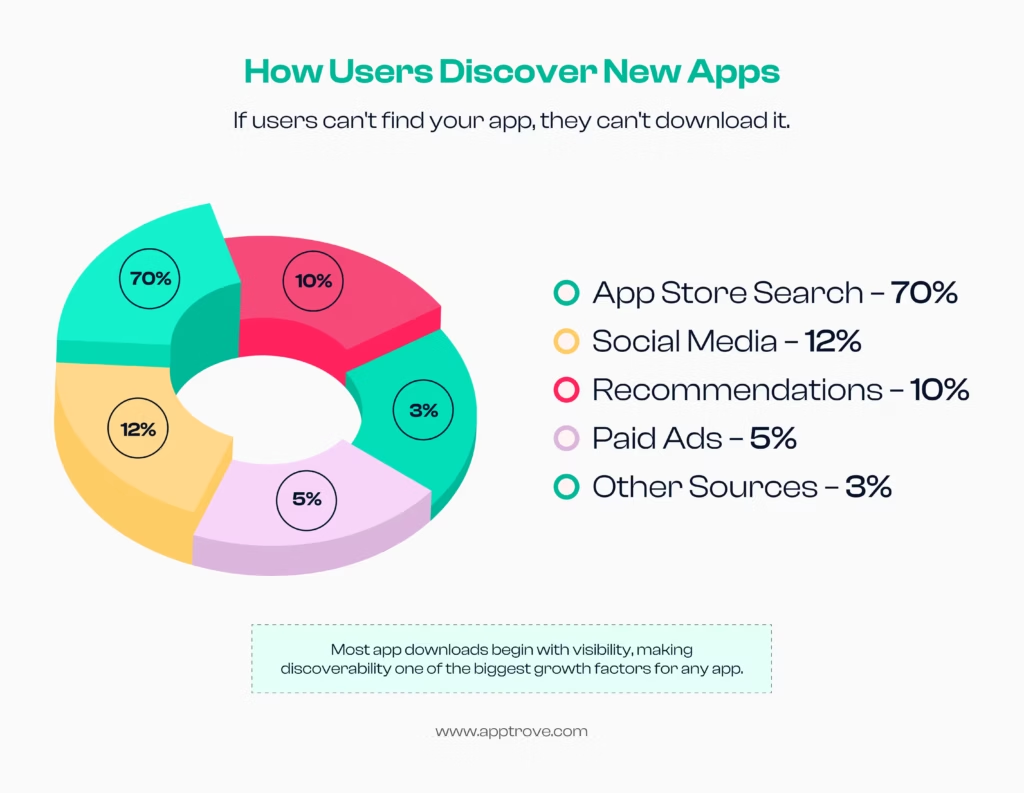
Think about it. When was the last time you downloaded an app you had never heard of? Chances are you found it through a search, a social media post, a recommendation, an ad, or a piece of content that caught your attention. That’s exactly how modern app marketing works. It’s not about shouting the loudest. It’s about showing up in the right place, at the right time, for the right audience.
The good news is that successful app marketing isn’t reserved for companies with massive budgets. Many of today’s fastest-growing apps started with simple strategies, a clear understanding of their audience, and consistent execution.
Whether you’re launching a brand-new app or trying to increase downloads for an existing one, the right marketing approach can help you attract users, keep them engaged, and turn your app into something people genuinely want to use.
So where should you start? Should you focus on app store optimisation, social media, paid ads, influencers, content marketing, or something else entirely?
The answer might surprise you.
Let’s begin with the most important step that many app owners skip: understanding exactly who your app is for.
Know Who Your App Is For
Before you spend money on ads, create social media campaigns, or optimise your app store listing, you need to know exactly who you’re trying to reach. One of the biggest reasons app marketing campaigns fail is that they’re aimed at everyone instead of the right audience.
The more you understand your potential users, the easier it becomes to create messages that attract them and convince them to download your app.
Understand Your Target Audience
Start by identifying the people who are most likely to benefit from your app. Ask yourself simple questions: Who will use your app? What challenges are they facing? How does your app make their lives easier?
For example, a budgeting app helps users manage their finances, while a fitness app helps users stay healthy and track their progress. Although both target mobile users, their audiences have completely different needs and motivations.
Creating a simple user persona can help you visualize your ideal customer and understand what they expect from your app.
Learn What Your Competitors Are Doing
Your competitors can provide valuable insights into what works and what doesn’t. Explore similar apps in your category and analyze their app store pages, reviews, social media presence, and marketing campaigns.
Pay close attention to user feedback. Reviews often reveal common complaints, missing features, or frustrations that users experience. These gaps can become opportunities for your app.
Instead of copying competitors, focus on understanding what users like about them and where they fall short.
Find Your App’s Biggest Selling Point
With millions of apps available today, users need a reason to choose yours. That’s where your unique value proposition comes in.
Think about what makes your app different. Does it save more time, offer a better user experience, solve a problem faster, or provide features competitors don’t have?
Rather than focusing on technical features, highlight the benefits users receive. People care less about what your app does and more about how it improves their lives.
When you clearly understand your audience, learn from competitors, and communicate your unique value, you’ll have a much stronger foundation for every marketing strategy that follows.
Create Excitement Before Launching
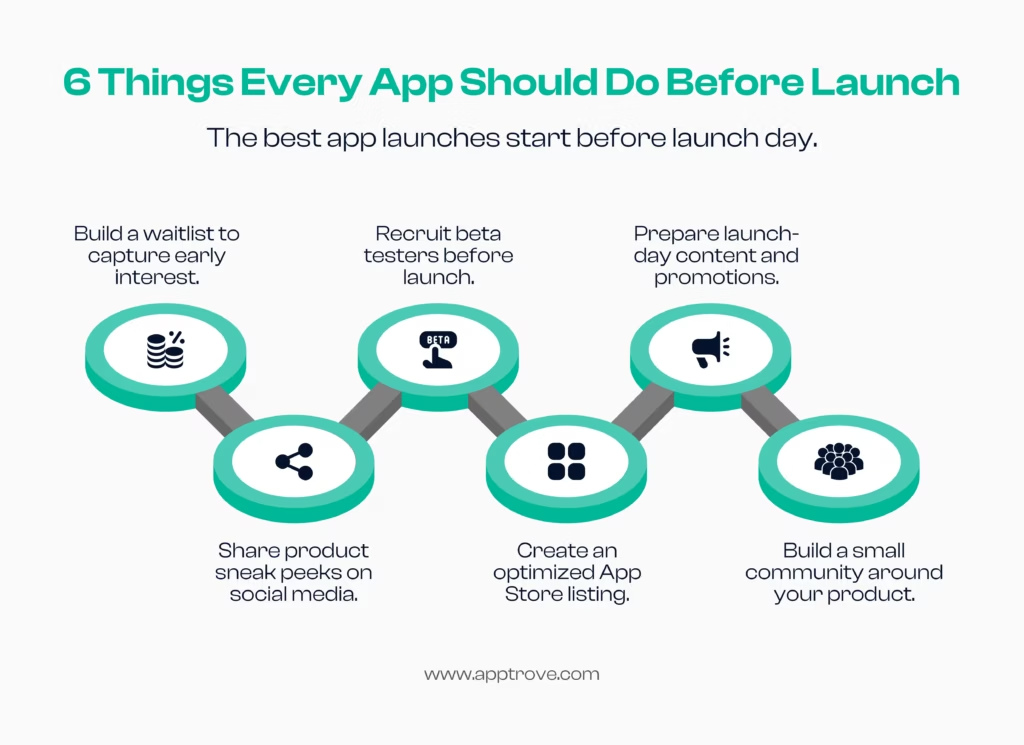
A successful app launch rarely happens by accident. The apps that gain early traction often start marketing long before they become available to the public. Building awareness before launch can help you attract your first users, generate interest, and create momentum from day one.
Start Talking About Your App Early
Don’t wait until launch day to tell people about your app. Start creating awareness as soon as you have something worth sharing.
Post behind-the-scenes updates, development milestones, feature previews, and sneak peeks on your social media channels. This helps potential users feel involved in your journey and builds anticipation for the launch.
You can also create a landing page where interested users can sign up for updates or join a waitlist. A growing waitlist is a strong indicator of demand and gives you an audience to reach when your app goes live.
Build a Small Community
A loyal community can become one of your biggest growth drivers. Start engaging with potential users on platforms where your target audience spends time, such as LinkedIn, Reddit, Discord, Facebook groups, or industry forums.
Encourage conversations, answer questions, and ask for opinions about features or ideas. This not only creates excitement but also helps you understand what users actually want.
You can even invite a small group of beta testers to try the app before launch. Their feedback can help you identify issues and improve the user experience before a larger audience arrives.
Prepare Your App Store Listing
Your app store page is often the first impression users have of your product. A well-optimized listing can significantly improve visibility and conversions.
Choose an app name that is memorable, relevant, and easy to search for. Include keywords that users are likely to type when looking for apps like yours.
Equally important are your visuals. Use high-quality screenshots and app preview videos that clearly demonstrate the value of your app. Strong visuals can quickly capture attention and encourage users to learn more.
By creating excitement early, building a community, and preparing a strong app store presence, you’ll give your app a much better chance of making an impact when launch day arrives.
Make Your App Store Page More Attractive
Your app store page acts like a digital storefront. Even if people discover your app through ads, social media, or recommendations, they’ll likely visit your app store listing before deciding whether to download it. A well-optimized page can significantly improve your chances of turning visitors into users.
Use a Clear and Search-Friendly App Name
Your app name should be simple, memorable, and relevant to what your app does. A confusing or overly creative name may look unique, but it can make it harder for users to find your app.
Including relevant keywords in your app name or subtitle can improve visibility in app store searches. Since many users discover apps by searching for solutions to specific problems, choosing the right keywords can help your app appear in front of the right audience.
Add Screenshots That Tell a Story
Most users look at screenshots before reading anything else. That’s why your visuals should do more than just display your app’s interface.
Use screenshots to show how the app works and highlight the benefits users can expect. Instead of simply showing features, demonstrate how those features solve problems or improve everyday tasks.
For example, if your app helps users save money, show screenshots that highlight spending insights, budget tracking, or savings progress. Strong visuals can quickly communicate value and encourage users to learn more.
Write a Description People Actually Read
Many app descriptions focus heavily on technical features, but users are more interested in outcomes. They want to know how your app can help them save time, stay organized, learn something new, or solve a problem.
Keep your description clear, concise, and easy to scan. Start with the most important benefits and explain why users should download your app. Use short paragraphs, simple language, and bullet points where appropriate.
A compelling app store page combines a searchable name, engaging visuals, and benefit-driven copy. Together, these elements help improve visibility, increase downloads, and create a stronger first impression for potential users.
Use Content to Attract Users
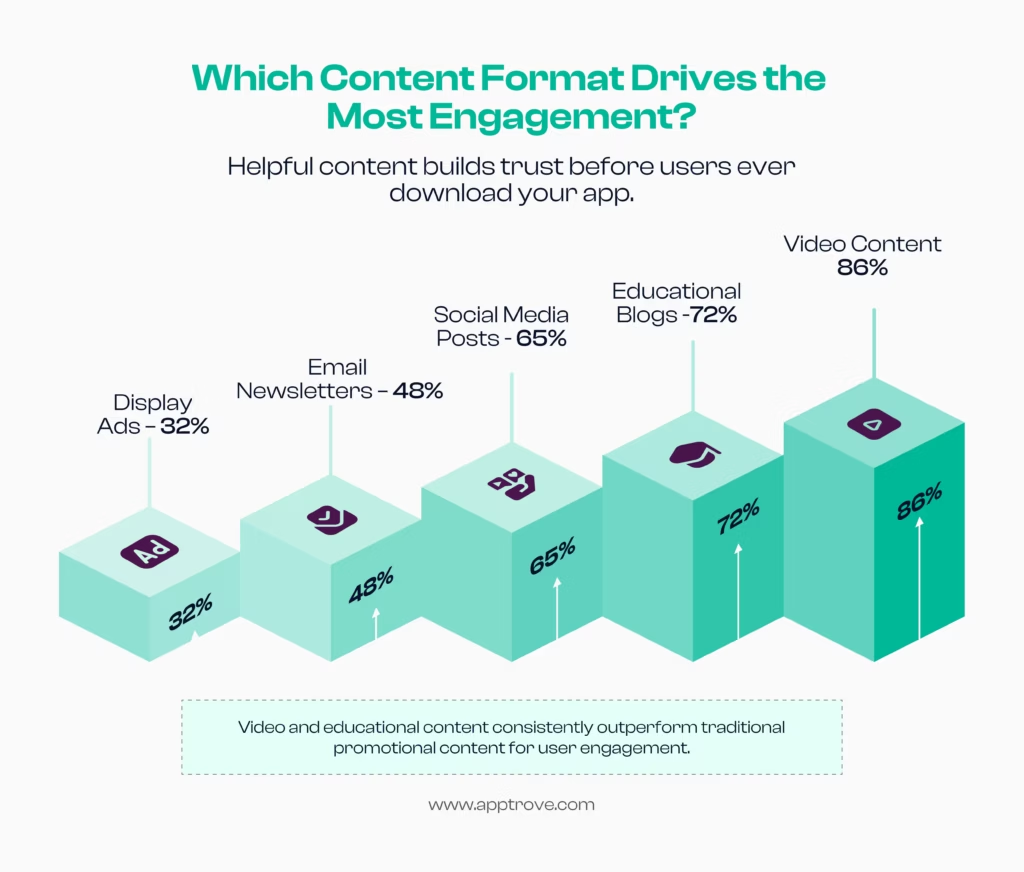
Content marketing is one of the most effective ways to attract users without relying entirely on paid advertising. Instead of directly asking people to download your app, content helps you educate, inform, and engage potential users while building trust. Businesses that regularly publish valuable content often generate more website traffic, stronger brand awareness, and higher-quality leads over time.
Write Helpful Blog Content
People often search online for solutions to their problems before downloading an app. This creates an opportunity for your brand to appear in search results through helpful blog content.
Create articles that answer common questions related to your app’s purpose. For example, if you have a fitness app, you can write about workout routines, nutrition tips, or fitness goals. If you offer a budgeting app, topics such as saving money or managing expenses may attract potential users.
By solving problems through content, you position your app as a valuable resource rather than just another product.
Create Simple Videos
Video content can help potential users understand your app much faster than text alone. In fact, many users prefer watching a quick video before deciding whether to try a new product.
Create short videos that demonstrate how your app works, highlight key features, and showcase real-world use cases. Tutorials, tips, and walkthroughs can also help users get more value from your app.
You don’t need expensive equipment or professional production. Clear, informative videos that focus on helping users are often more effective than highly polished promotional content.
Stay Active on Social Media
Social media allows you to build relationships with your audience and keep your app visible. Instead of constantly promoting downloads, focus on sharing useful and engaging content that your audience finds valuable.
Post industry insights, quick tips, feature updates, success stories, and user-generated content. Encourage conversations by responding to comments and engaging with your community.
Consistent activity helps build trust and keeps your app top of mind. Over time, this trust can translate into more downloads, stronger engagement, and a loyal user base that actively recommends your app to others.
Use Paid Advertising the Smart Way
While organic marketing can deliver long-term results, paid advertising can help you reach potential users much faster. It allows you to put your app in front of a targeted audience and generate downloads quickly. However, running ads without a strategy can lead to wasted budget and poor results. The key is to focus on reaching the right people with the right message.
Pick the Right Advertising Platforms
Not every platform is suitable for every app. The best advertising channel depends on your target audience and the type of app you’re promoting.
Google Ads can help you reach users who are actively searching for solutions. Social platforms such as Facebook and Instagram are useful for targeting users based on interests, demographics, and behaviors. Meanwhile, platforms like TikTok can be highly effective for apps targeting younger audiences.
Instead of trying every platform at once, start with one or two channels where your audience is most active and expand as you gather data.
Create Ads That Grab Attention
Users scroll through hundreds of posts and advertisements every day, so your ad needs to stand out quickly. A strong ad should communicate value within the first few seconds.
Use clear messaging that highlights the problem your app solves and the benefits it offers. Pair this with high-quality visuals, screenshots, or short videos that showcase the app in action.
Simple, benefit-focused ads often perform better than ads packed with too much information. The goal is to spark interest and encourage users to learn more.
Spend Your Budget Wisely
A common mistake is focusing only on downloads. While installs are important, they don’t always translate into active users or revenue.
Track metrics such as user engagement, retention, in-app actions, and customer lifetime value to understand whether your advertising efforts are delivering meaningful results.
Start with a modest budget, test different audiences and ad creatives, and gradually increase spending on campaigns that perform well. Regular optimization can help you maximize returns while keeping acquisition costs under control.
When used strategically, paid advertising can accelerate growth, increase visibility, and help your app reach users who are most likely to engage with it.
Work with Influencers and Partners
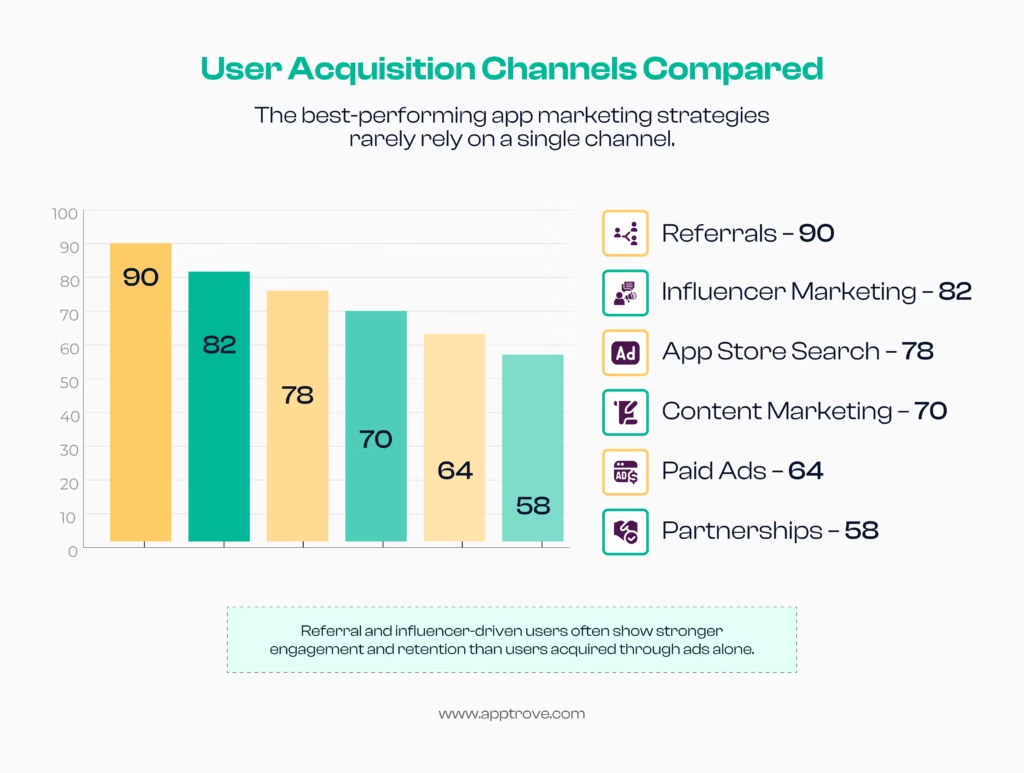
People are more likely to try an app when it is recommended by someone they trust. That’s why influencer marketing, referral programs, and strategic partnerships have become powerful ways to acquire new users. Instead of relying solely on traditional advertising, these approaches help you leverage existing audiences and build credibility more quickly.
Collaborate with Influencers
Influencers have built communities that trust their opinions and recommendations. When they genuinely showcase your app, it can introduce your product to a highly engaged audience.
You don’t always need celebrities or creators with millions of followers. In many cases, micro-influencers with smaller but loyal audiences can deliver better engagement and more meaningful results.
Choose influencers whose audience matches your target users and allow them to demonstrate how your app solves a real problem. Authentic recommendations often perform better than heavily scripted promotions.
Start a Referral Program
People naturally trust recommendations from friends and family. A referral program encourages existing users to share your app with others by offering rewards or incentives.
For example, users might receive premium features, discounts, in-app credits, or exclusive benefits when someone signs up using their referral link.
Referral programs create a win-win situation. Existing users receive rewards, new users discover your app through a trusted source, and your business gains new customers at a lower acquisition cost.
Partner with Relevant Businesses
Collaborating with complementary businesses can help you reach audiences that may already be interested in your app.
For example, a fitness app could partner with a nutrition brand, while a productivity app could collaborate with project management tools or business communities. These partnerships may include co-branded campaigns, content collaborations, webinars, newsletters, or special offers.
The goal is to create value for both audiences while increasing visibility for your app.
By combining influencer marketing, referral programs, and strategic partnerships, you can expand your reach, build trust faster, and attract new users through channels that feel more authentic than traditional advertising.
Keep Users Coming Back
Getting downloads is only part of the challenge. The real success of an app depends on how many users continue using it over time. Studies show that many apps lose a significant portion of their users within the first month. This makes user retention just as important as user acquisition.
If users find value in your app and enjoy the experience, they’re more likely to return, engage regularly, and even recommend it to others.
Make the First Experience Easy
First impressions matter. If users feel confused or overwhelmed when they open your app for the first time, they may leave and never come back.
A smooth onboarding experience helps users understand how the app works and how it can benefit them. Keep the sign-up process simple, provide clear instructions, and guide users toward their first successful action as quickly as possible.
The faster users experience value, the more likely they are to continue using your app.
Stay Connected with Notifications and Emails
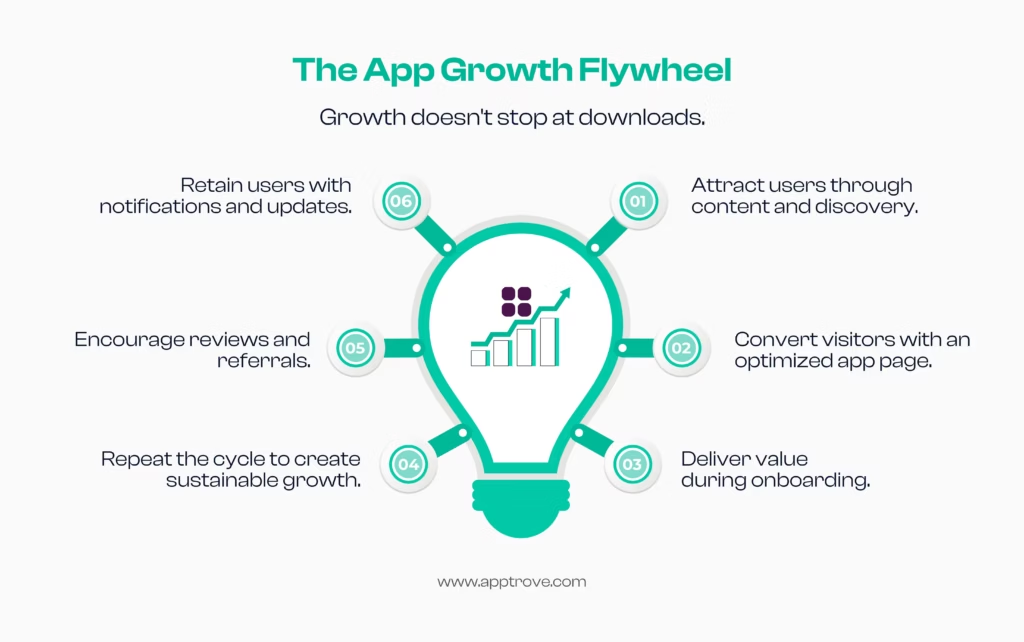
Regular communication can help keep users engaged and informed. Push notifications and emails are effective ways to remind users about your app, share updates, and encourage them to return.
However, the key is relevance. Sending too many notifications can frustrate users and lead to uninstalls. Instead, focus on providing useful information, personalized recommendations, feature updates, or timely reminders that add value.
When used correctly, these channels can strengthen user relationships and improve retention.
Give Users Reasons to Return
Users need a reason to open your app again and again. This can be achieved through rewards, challenges, exclusive content, loyalty programs, or regularly updated features.
For example, fitness apps often use streaks and milestones to motivate users, while gaming apps introduce new levels, events, and rewards to keep players engaged.
Even small updates can create excitement and encourage users to revisit your app. By continuously improving the experience and providing ongoing value, you can turn occasional users into loyal customers who stay engaged for the long term.
Track What Is Working
Marketing your app without tracking performance is like driving without a map. You may be moving, but you won’t know if you’re heading in the right direction. Monitoring your results helps you understand what’s working, what isn’t, and where you should focus your efforts.
The most successful app marketers rely on data to make decisions rather than assumptions. Even small insights can help improve user acquisition, engagement, and retention over time.
Monitor Important Numbers
To measure your app’s performance, start by tracking key metrics that reflect user behavior.
Some of the most important metrics include:
- Number of downloads
- Daily and monthly active users
- User retention rate
- Session duration
- Uninstall rate
- In-app conversions
Downloads can show how many people are discovering your app, but retention reveals whether users actually find value in it. Monitoring these numbers regularly helps you identify trends and spot potential issues before they become major problems.
Test Different Ideas
What works for one app may not work for another. That’s why testing is an essential part of app marketing.
Experiment with different app store screenshots, ad creatives, headlines, call-to-action buttons, landing pages, and marketing messages. Small changes can sometimes produce significant improvements in performance.
For example, a different app icon or headline may increase downloads, while a new ad creative could lower acquisition costs. Continuous testing helps you make informed decisions and improve results over time.
Understand Where Users Come From
Knowing how users discover your app can help you invest your marketing budget more effectively.
Track whether users are coming from app store searches, social media platforms, paid advertisements, referrals, email campaigns, or content marketing efforts.
When you understand which channels generate the most engaged users, you can focus more resources on those areas and reduce spending on channels that deliver weaker results.
By tracking performance, testing new ideas, and understanding user acquisition sources, you can build a smarter marketing strategy that drives sustainable growth and helps your app achieve better results over time.
Build a Brand People Remember
Many apps offer similar features, which means functionality alone isn’t always enough to stand out. What often makes the difference is the brand behind the app. A strong brand helps users recognize, trust, and remember your app long after they first discover it.
When users feel connected to your brand, they’re more likely to stay loyal, engage with your content, and recommend your app to others.
Create a Consistent Identity
Consistency plays a major role in building brand recognition. Your logo, colors, messaging, tone of voice, and overall personality should remain consistent across your website, app store page, social media channels, emails, and advertisements.
For example, if your brand focuses on simplicity and convenience, that message should be reflected everywhere users interact with your app.
A consistent identity makes your brand more recognizable and helps users develop trust over time.
Tell Your App’s Story
People often connect with stories more than features. Sharing the story behind your app can help users understand your mission and the problem you’re trying to solve.
Talk about why the app was created, the challenges it addresses, and the value it brings to users. Whether your goal is helping people save time, improve productivity, stay healthy, or learn new skills, communicating that purpose can create a stronger emotional connection.
When users relate to your story, they’re more likely to remember your brand and remain engaged.
Turn Happy Users into Promoters
Satisfied users can become some of your most effective marketers. Recommendations from real users often carry more credibility than traditional advertisements.
Encourage users to leave reviews, share feedback, and recommend your app to friends and colleagues. Positive ratings and testimonials can influence potential users who are deciding whether to download your app.
You can also showcase success stories, user experiences, and community achievements to build trust and strengthen your reputation.
A memorable brand isn’t built overnight. By maintaining a consistent identity, sharing your story, and encouraging advocacy, you can create stronger relationships with users and make your app stand out in a competitive marketplace.
Grow Your App Marketing Over Time
Marketing your app isn’t a one-time activity that ends after launch. User behavior changes, new competitors enter the market, and trends evolve constantly. To keep growing, you need to adapt your strategy, explore new opportunities, and focus on sustainable growth rather than short-term wins.
The most successful apps continue improving their marketing efforts long after they’ve gained their first users.
Reach New Markets
Once you’ve established a strong presence in your initial market, consider expanding your reach to new audiences. This could mean targeting different age groups, industries, interests, or geographic regions.
For example, if your app performs well in one country, localizing your content, app store listing, and marketing campaigns can help you attract users in other regions. Even small adjustments, such as offering multiple languages or region-specific features, can significantly improve adoption.
Expanding strategically allows you to unlock new growth opportunities without relying solely on your existing audience.
Use Tools to Save Time
As your user base grows, managing every marketing task manually becomes increasingly difficult. Marketing automation tools can help streamline repetitive activities and improve efficiency.
You can automate email campaigns, push notifications, social media scheduling, user onboarding sequences, and performance reporting. This not only saves time but also ensures consistent communication with your audience.
By reducing manual work, your team can focus on strategy, creativity, and improving the user experience rather than routine tasks.
Focus on Long-Term Growth
Many app marketers focus heavily on immediate downloads, but sustainable growth comes from building systems that continue generating results over time.
Invest in strategies such as content marketing, search optimization, community building, referral programs, and user retention. These efforts may take longer to show results, but they often provide more consistent and cost-effective growth in the long run.
The goal isn’t simply to acquire users today. It’s to create a marketing engine that continues attracting, engaging, and retaining users month after month. When you prioritize long-term growth, your app becomes better positioned to succeed in an increasingly competitive market.
Conclusion
Building a great app is an important first step, but success ultimately depends on whether people can find it, use it, and continue coming back. From understanding your target audience and optimizing your app store presence to creating valuable content, running paid campaigns, and building a memorable brand, every marketing effort plays a role in your app’s growth journey.
There is no single strategy that guarantees success. The most effective approach is to combine multiple tactics, track your results, and continuously improve based on what your users need. Remember that app marketing is not just about increasing downloads, it’s about attracting the right users and creating experiences that keep them engaged.
Start with a clear plan, stay consistent, and focus on delivering value at every stage of the user journey. Over time, these efforts can help transform your app from just another listing in the app store into a product that users trust, recommend, and rely on every day.
from Apptrove https://apptrove.com/how-to-market-your-app-and-build-a-loyal-user-base/
via Apptrove


Comments
Post a Comment